At a glance
- Who can use it
- Non-Koreans only — Korean citizens cannot buy or use it, and may be denied entry if they present it
- Time passes
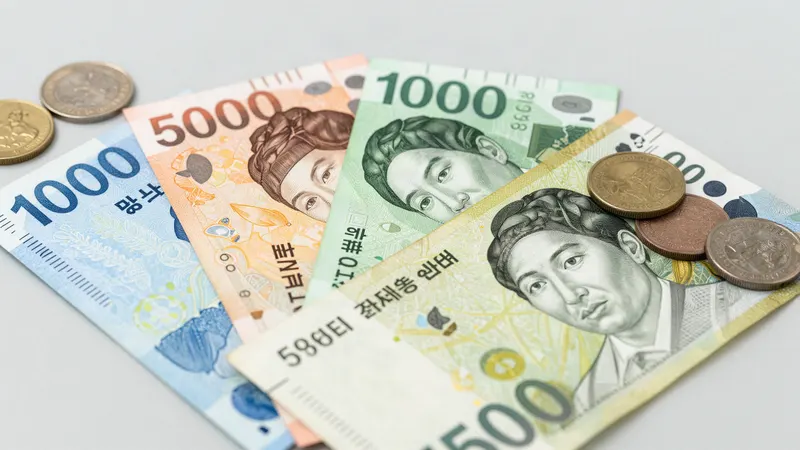
- 24H: 55,000 KRW, unlimited covered attractions in 24 hours. 48H: 85,000 KRW, same for 48 hours
- Count passes
- Big 3: 45,000 KRW (1 pick from Group A + 2 from Group B). Big 5: 65,000 KRW (2 from Group A + 3 from Group B), valid 180 days after first use
- Card vs mobile
- The card version doubles as a rechargeable transit card; the mobile version has no transit function at all
- Pickup
- Card passes must be collected in person with a passport at Gimhae Airport, Busan Station, the port terminal or a few other gateway points
What it actually is
The Visit Busan Pass is the city's official paid-attraction pass for visitors, bundling free entry to a long list of Busan's paid tourist sites into one of four products: two time-based passes (24 or 48 hours of unlimited entry to covered attractions) and two count-based passes (a fixed number of visits, usable over a much longer window). Each attraction on the list can only be used once per pass regardless of which version you buy.
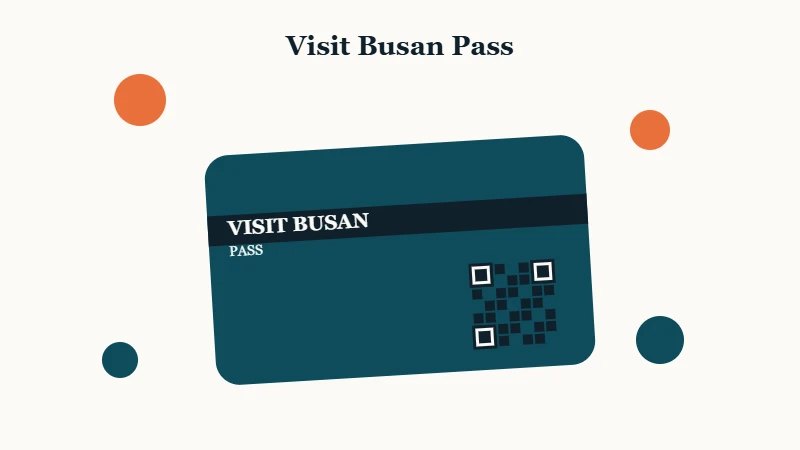
It comes in a card version and a mobile version, and the difference matters more than it looks. The card doubles as a rechargeable transit card for the subway and buses, the same way a T-money card works. The mobile pass has no transit function whatsoever — it's only for the attraction discounts, verified through a QR code shown live on the app screen. Screenshots, printouts and PDFs of that QR code are explicitly not accepted.
It's restricted to non-Koreans — genuinely enforced
This isn't a minor fine-print detail: the pass is explicitly for foreign visitors only. Korean citizens cannot purchase or use it, and the operator's own terms warn that presenting it at a partner attraction as a Korean citizen can get you turned away at the door. If you're traveling with a Korean friend or family member, plan on them paying standard admission separately rather than assuming the pass covers the group.
The four pass types
The 24-hour and 48-hour passes work the way they sound: once you use it for the first free entry, a countdown starts, and every covered attraction is free for that window. A 24-hour pass activated at 9:00 AM stays valid until 8:59 AM the next day.
The Big 3 and Big 5 passes work differently — instead of a time window, you get a fixed number of visits (3 or 5) drawn from two attraction groups, valid for 180 days after your first use. Big 3 gives you 1 pick from Group A plus 2 from Group B; Big 5 gives you 2 from Group A plus 3 from Group B. This suits a slower trip better than the time passes do, since you're not racing a clock.
| Pass | Price | How it works |
|---|---|---|
| 24H | 55,000 KRW | Unlimited covered attractions for 24 hours from first use |
| 48H | 85,000 KRW | Unlimited covered attractions for 48 hours from first use |
| Big 3 | 45,000 KRW | 1 pick from Group A + 2 from Group B, valid 180 days |
| Big 5 | 65,000 KRW | 2 picks from Group A + 3 from Group B, valid 180 days |
What's actually covered
Attractions are split into Group A (the bigger-ticket, generally pricier sites) and Group B (smaller experiences and museums). Group A includes Busan X the Sky, Spa Land Centum City, the Busan City Tour Bus, Lotte World Busan, Skyline Luge Busan, and a handful of spas, a yacht tour and surf lesson operators.
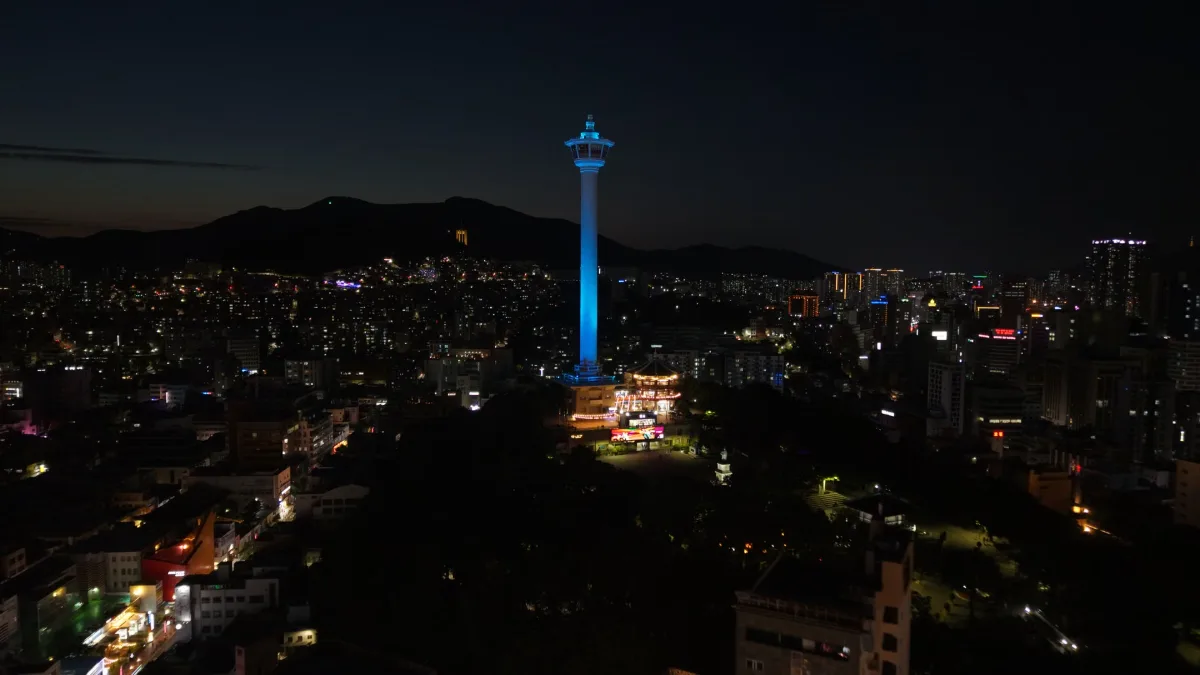
Group B includes Busan Tower, the Haeundae Beach Train (the Blueline Park train, not the Sky Capsule), the Songdo Marine Cable Car, the Taejongdae Danubi Train, several museums (Busan National Science Museum, Busan Museum of Movies, the Korea National Maritime Museum's 4D theater), hanbok rental shops in Gamcheon and Haeundae, and a few escape rooms and smaller experiences.
The exact list changes over time as attractions join or leave the program, so treat this as a snapshot rather than a permanent roster — check the pass's own site for the current list before deciding which product makes sense for your itinerary.
Buying and picking it up
The mobile pass is bought and used entirely through the app, with no physical pickup needed. The card version has to be collected in person, passport in hand for identity verification, at one of a handful of gateway locations — Gimhae Airport's international and domestic terminal tourist information counters, Busan Station's second floor, the Busan Port International Passenger Terminal, Busan Comprehensive Bus Terminal, and a couple of downtown tourist information points.
If the transit card function matters to your plans, the card version is the only one that offers it — factor in the pickup stop at arrival if that's the version you want.
Frequently asked questions
Can Korean citizens use the Visit Busan Pass?
No. It's explicitly restricted to non-Korean visitors. Korean citizens cannot purchase or use it, and presenting it at a partner attraction as a Korean citizen can result in being denied entry.
How much does the Visit Busan Pass cost?
The 24-hour pass is 55,000 KRW, the 48-hour pass is 85,000 KRW, the Big 3 count-based pass is 45,000 KRW, and the Big 5 count-based pass is 65,000 KRW. Prices are for either the card or mobile version.
What's the difference between the card and mobile Visit Busan Pass?
The card version doubles as a rechargeable transit card for the subway and buses, the same way a T-money card works, but must be picked up in person with a passport at a gateway location. The mobile version has no transit function at all and is used entirely through the app via a live QR code.
Which attractions are covered by the Visit Busan Pass?
Group A includes Busan X the Sky, Spa Land Centum City, the Busan City Tour Bus, Lotte World Busan and Skyline Luge Busan among others. Group B includes Busan Tower, the Haeundae Beach Train, the Songdo Marine Cable Car, the Taejongdae Danubi Train and several museums. The exact list changes over time, so check the pass's own site before deciding.
Where do I pick up the Visit Busan Pass card?
At Gimhae Airport's international and domestic terminal tourist information counters, Busan Station's second floor, the Busan Port International Passenger Terminal, Busan Comprehensive Bus Terminal, or a couple of downtown tourist information points. Bring your passport for identity verification. The mobile pass needs no pickup at all.
Is the Big 3 or Big 5 pass better than the 24H or 48H pass?
It depends on your pace. The time passes suit a compact, attraction-heavy day or two. The count-based Big 3 and Big 5 passes stay valid for 180 days after first use, which suits a slower trip or one where your covered attractions are spread across several non-consecutive days.