At a glance
- Station
- Busan Station (부산역) — KTX and Mugunghwa/ITX rail terminus
- Subway access
- Busan Metro Line 1, Busan Station stop, inside the station complex
- Nearby port
- Busan Port International Passenger Terminal (ferries to Japan), a short taxi ride away
- Fastest to Haeundae
- Metro Line 1 to Seomyeon, transfer to Line 2 toward Haeundae
Why so many first-time visitors pass through Busan Station
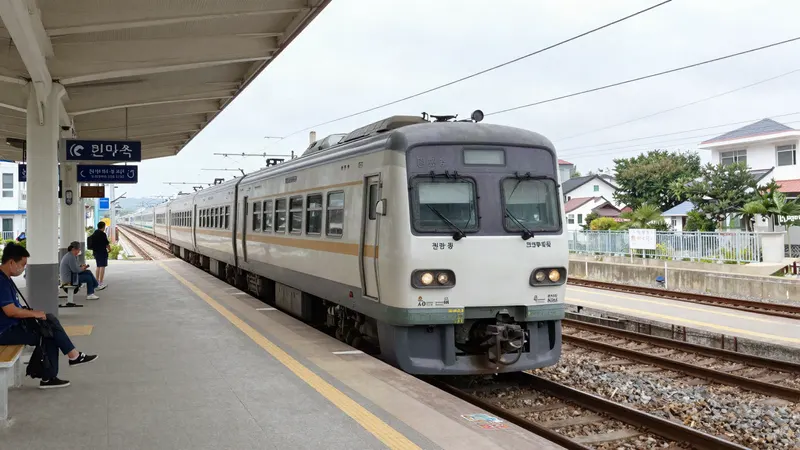
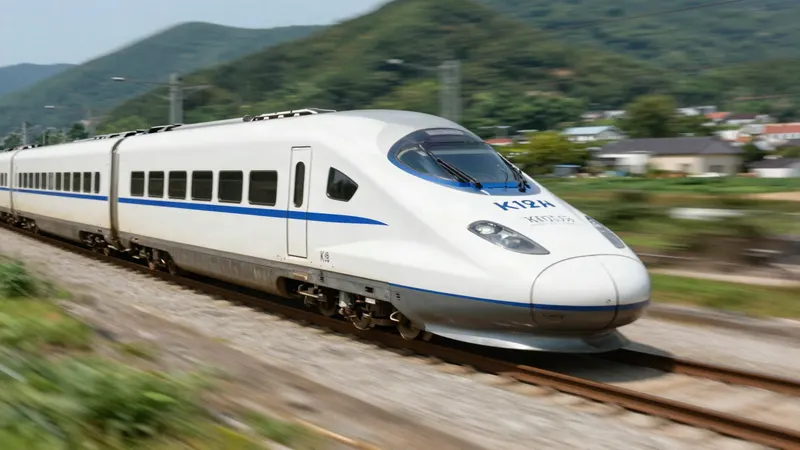
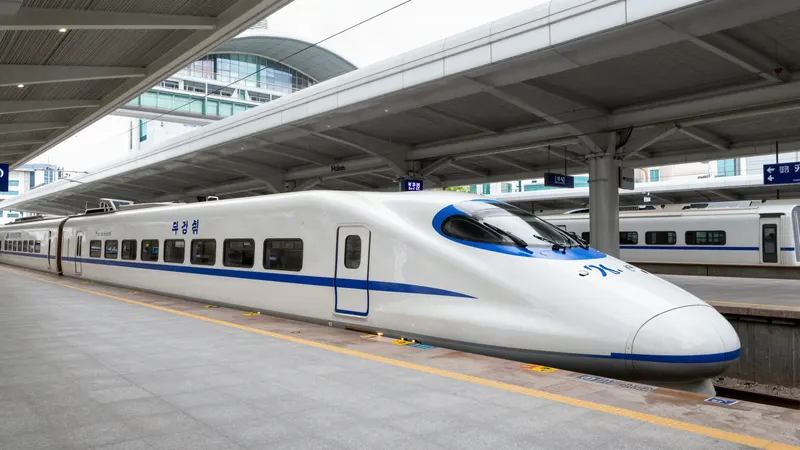
Not everyone arrives in Busan by air. A large share of visitors come in on the KTX high-speed rail from Seoul — SRT was merged into KTX in September 2026, so every high-speed train is now a KTX, on a slower Mugunghwa or ITX train from another city, or by ferry from Japan through the international passenger terminal next door. If that's you, your starting point on the map is different from an airport arrival: Busan Station sits north of downtown, close to the old city center rather than out near the airport corridor.
The good news is that the station is well connected. It has its own subway stop, a taxi stand right outside, and enough restaurants and a small tourist information desk to get oriented before you move on.
Option 1: Busan Metro (best for most first-time visitors)
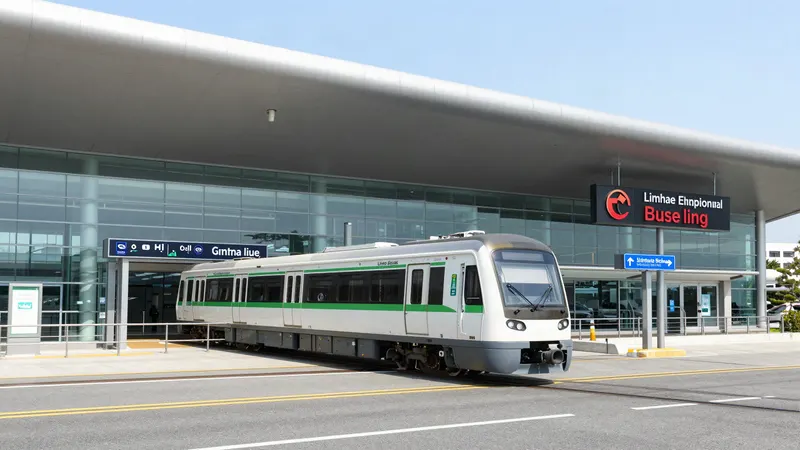
Busan Station is directly served by Metro Line 1, so there's no shuttle or extra walk needed — the platform is inside the station building. Nampo-dong and Jagalchi Market are just a few stops south, generally well under 15 minutes.
For Seomyeon, stay on Line 1 to the Seomyeon transfer station. For Haeundae, Gwangalli or the eastern beach hotels, transfer at Seomyeon onto Line 2 — it's a longer ride, roughly 35–45 minutes door to door, but it's a single, well-signed transfer with English announcements and signage throughout.
- Best for: Nampo-dong, Jagalchi, Seomyeon, and Line 2 destinations via one transfer
- Not ideal for: anyone who wants a single-seat ride to Haeundae — a transfer at Seomyeon is unavoidable on the subway
- Buy or top up a T-money-compatible card at the convenience store or vending machines in the station before boarding
Option 2: Taxi
A taxi stand sits directly outside the main exit. Because Busan Station is already close to downtown, fares to Nampo-dong or Seomyeon are noticeably lower than a typical airport taxi fare — this is usually the easiest option for groups of two or more, or for anyone with heavy luggage who wants to skip a subway transfer.
Ride-hail apps have limited English functionality in Korea; Kakao T is the most common local option but generally works best with a Korean phone number. For a first trip, the taxi stand outside the station is the simplest choice.
Arriving by international ferry? The same routes apply
The Busan Port International Passenger Terminal, which handles ferry connections to Japan, is only a short taxi ride (or a walkable but not especially scenic route) from Busan Station. Once you reach the station area, every option above — metro or taxi — works the same way.
Ferry schedules and routes change by operator and season, so confirm your specific sailing and terminal details directly with the ferry company rather than relying on general travel guides.
What's around the station itself
Before heading onward, it's worth knowing that Busan Station sits at the edge of Busan's Chinatown Special Tourist Zone and the historic Texas Street district, both an easy walk from the main exit. It's a reasonable spot for a first meal or a coffee while you get your bearings, even if you're not staying in the immediate area.
Quick comparison
| Method | Approx. time | Approx. cost | Best for |
|---|---|---|---|
| Metro (Line 1) | 5–20 min | Under 2,000 KRW | Nampo-dong, Jagalchi, Seomyeon |
| Metro with transfer at Seomyeon | 35–45 min | Under 2,500 KRW | Haeundae, Gwangalli |
| Taxi | 10–20 min to downtown | See metered fare | Groups, heavy luggage, late arrivals |
Frequently asked questions
How do I get from Busan Station to Nampo-dong or Jagalchi?
Busan Station is directly served by Metro Line 1 and the platform is inside the station building, so no shuttle or extra walk is needed. Nampo-dong and Jagalchi Market are just a few stops south, generally well under 15 minutes. Buy or top up a T-money-compatible card at the convenience store or vending machines in the station before boarding.
How do I get from Busan Station to Haeundae?
Stay on Line 1 to Seomyeon, then transfer to Line 2 toward Haeundae. It is roughly 35–45 minutes door to door, but it is a single, well-signed transfer with English announcements and signage throughout. There is no single-seat subway ride to Haeundae — a transfer at Seomyeon is unavoidable.
Is a taxi from Busan Station expensive?
Less than you might expect. Because Busan Station is already close to downtown, fares to Nampo-dong or Seomyeon are noticeably lower than a typical airport taxi fare. A taxi stand sits directly outside the main exit, which makes it the easiest option for groups of two or more, or for anyone with heavy luggage who wants to skip a subway transfer.
I am arriving by ferry from Japan — do the same routes apply?
Yes. The Busan Port International Passenger Terminal is only a short taxi ride from Busan Station, and once you reach the station area every option above works the same way. Ferry schedules and routes change by operator and season, so confirm your specific sailing and terminal details directly with the ferry company.
What is around Busan Station itself?
The station sits at the edge of Busan's Chinatown Special Tourist Zone and the historic Texas Street district, both an easy walk from the main exit. It is a reasonable spot for a first meal or a coffee while you get your bearings, even if you are not staying in the immediate area.