Common types of accommodation
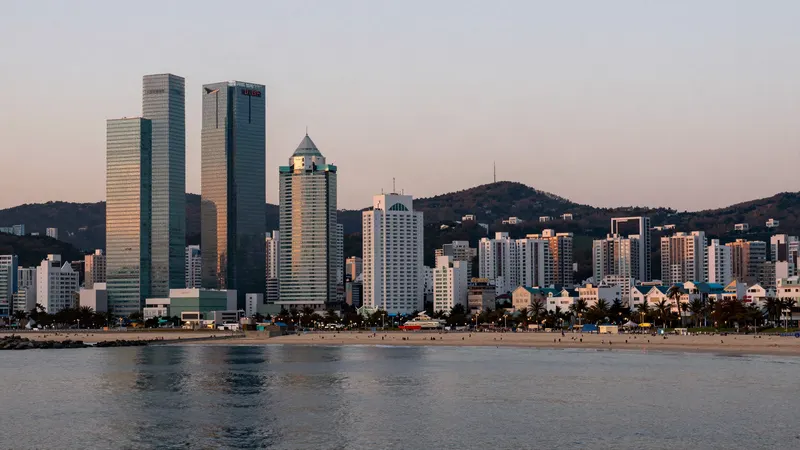
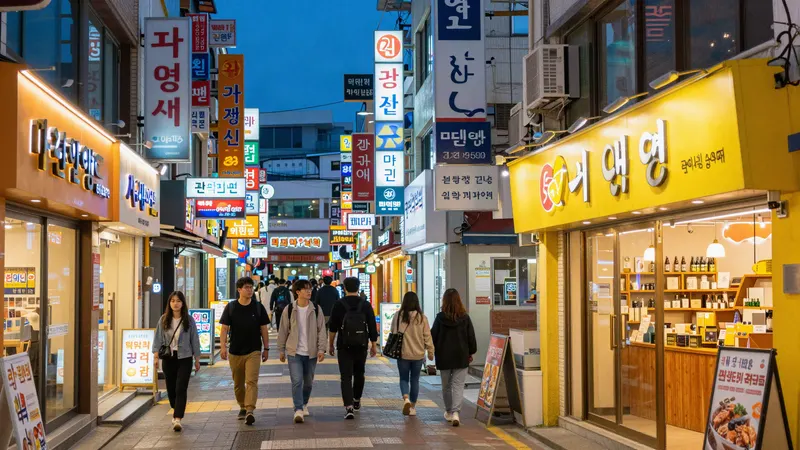
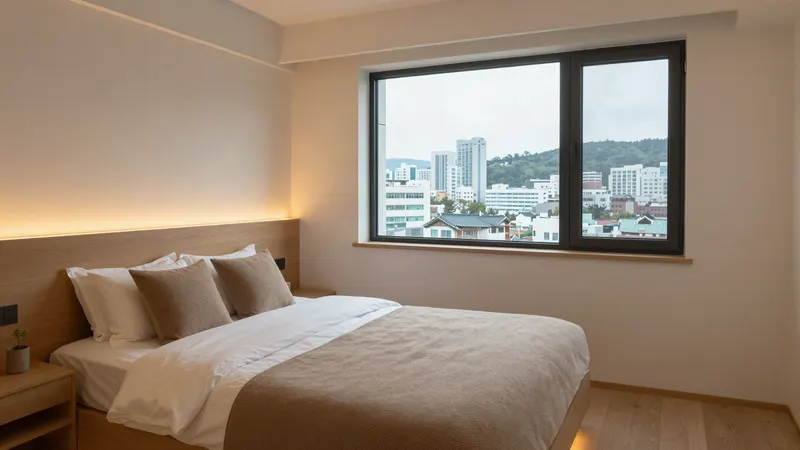
Busan offers the usual range from international hotel chains to small independent guesthouses, plus a smaller number of hanok-style stays (traditional Korean housing) and capsule/pod hotels near transit hubs. Large hotels cluster in Haeundae and Seomyeon; smaller guesthouses are more common around Nampo-dong and near Busan Station.
Serviced apartments and long-stay options also exist for visitors planning a longer trip, though availability and pricing vary more than with standard hotels.
What most visitors book
Busan's survey of foreign visitors for July to December 2025 asked what kind of place they stayed in. Hotels dominate: 43.4% stayed in a two- or three-star hotel and 27.4% in a four- or five-star one. After that came shared rentals such as Airbnb (11.3%), guesthouses and hostels (9.5%), condos and resorts (5.5%), motels (4.1%) and pensions or minbak (3.4%).
The mix is moving upmarket. Compared with 2024, the share in four- and five-star hotels rose by 10.4 points while two- and three-star fell by 18.6. Card data points the same way: the Busan Institute estimates foreign spending on accommodation rose from ₩45 billion in 2023 to ₩86 billion in 2025, with an average card payment at accommodation of about ₩449,000 — per payment, not per night.
Accommodation was also one of the things visitors most needed to know before they came: 14.3% named it their single biggest information need, and 53.1% ranked it among their top needs. Once you know the type, pick the area.
Who books what
Japanese visitors are the most likely to pick a mid-range hotel — 62.5%, the highest share of any nationality group. Visitors from the US and Canada are the likeliest to book a shared rental (21.3%), and European visitors among the likeliest to choose a guesthouse or hostel (18.1%). Taiwanese visitors are the only group with a sizeable share in condos and resorts (18.5%).
| Visitors from | 2–3★ hotel | 4–5★ hotel | Shared rental | Guesthouse / hostel | Respondents |
|---|---|---|---|---|---|
| Japan | 62.5% | 18.5% | 7.1% | 3.3% | 184 |
| Taiwan | 41.7% | 17.1% | 12.3% | 3.8% | 211 |
| China | 41.4% | 30.2% | 12.3% | 6.8% | 162 |
| Hong Kong | 28.9% | 48.9% | 6.7% | 6.7% | 45 |
| US and Canada | 30.7% | 36.0% | 21.3% | 13.3% | 75 |
| UK, France, Germany, Russia | 39.8% | 30.1% | 15.7% | 18.1% | 83 |
Booking platforms
International platforms like Booking.com and Agoda list the widest range of Busan accommodation with English interfaces and generally flexible cancellation options. Domestic Korean platforms sometimes list smaller guesthouses not found internationally, but often require a Korean phone number or ID to book directly, which makes them less practical for most first-time foreign visitors.
What to check before booking
- Distance to the nearest metro station — a listing described as 'central' can still be a 15–20 minute walk from a station
- Check-in and check-out times, and whether luggage storage is available if your flight or train doesn't line up with them
- Cancellation policy, especially if booking around a festival date when prices and availability shift quickly
- Whether the price shown includes taxes and service charges, which are sometimes added at checkout or on arrival
A note on timing
Accommodation prices in Busan rise noticeably during major events — most visibly around the Busan International Film Festival in October and any period with a large city festival or convention. Booking well ahead matters more for these dates than for an average week.
Frequently asked questions
What types of accommodation are available in Busan?
The usual range from international hotel chains to small independent guesthouses, plus a smaller number of hanok-style stays in traditional Korean housing and capsule or pod hotels near transit hubs. Large hotels cluster in Haeundae and Seomyeon; smaller guesthouses are more common around Nampo-dong and near Busan Station. Serviced apartments and long-stay options exist too, though availability and pricing vary more than with standard hotels.
Which booking platform should I use for Busan?
International platforms such as Booking.com and Agoda list the widest range of Busan accommodation with English interfaces and generally flexible cancellation options. Domestic Korean platforms sometimes list smaller guesthouses not found internationally, but they often require a Korean phone number or ID to book directly, which makes them less practical for most first-time foreign visitors.
What should I check before booking a hotel in Busan?
Distance to the nearest metro station — a listing described as central can still be a 15–20 minute walk. Also check the check-in and check-out times and whether luggage storage is available if your flight or train does not line up, the cancellation policy, and whether the price shown includes taxes and service charges, which are sometimes added at checkout or on arrival.
When do accommodation prices rise in Busan?
Prices rise noticeably during major events — most visibly around the Busan International Film Festival in October, and any period with a large city festival or convention. Booking well ahead matters more for these dates than for an average week.
What type of accommodation do most foreign visitors choose in Busan?
Hotels. In Busan's survey for July to December 2025, 43.4% of foreign visitors stayed in a two- or three-star hotel and 27.4% in a four- or five-star hotel. Shared rentals such as Airbnb came next at 11.3%, then guesthouses and hostels at 9.5%.
How much do visitors spend on accommodation in Busan?
The survey does not give a nightly rate. The Busan Institute's card data puts the average card payment at accommodation at about ₩449,000 in 2025 — per payment, which may cover more than one night — and estimates total foreign spending on accommodation at ₩86 billion, up from ₩45 billion in 2023.