At a glance
- Date
- Saturday, November 7, 2026 — the 21st festival
- Where
- Gwangalli Beach, with Igidae and Dongbaekseom as the other official viewing areas
- Paid seating
- On sale now: September 4 at 14:00 to November 6 at 17:00, through NOL Ticket and Interpark
- Free viewing
- The beach itself and the surrounding streets cost nothing — arrive hours early
- Crowd level
- Among the largest single-day crowds in Busan. Plan the journey out, not just in
- Organizer
- 051-713-5000 — confirm anything time-critical here rather than with a travel site
The 2026 date is confirmed
The 21st Busan Fireworks Festival takes place on Saturday, November 7, 2026. The date is set by the organizing committee and, unlike most years' guesswork on travel blogs, it is published — so anything you read suggesting late October for 2026 is out of date.
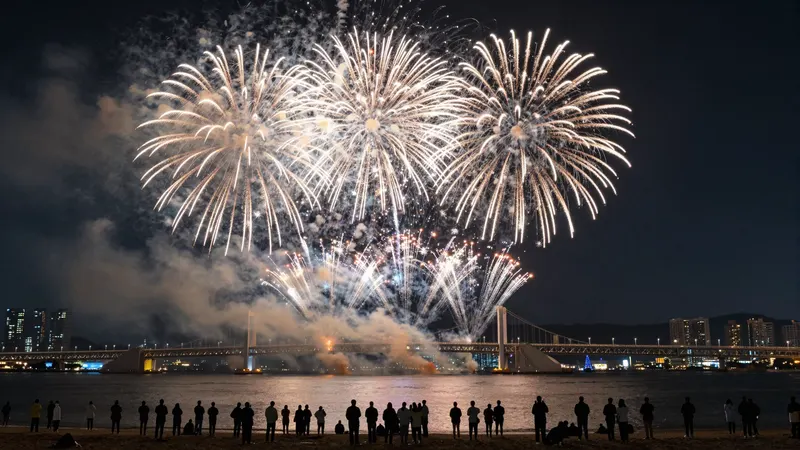
The official viewing areas are Gwangalli Beach, Igidae and Dongbaekseom. Gwangalli is where the display is centered and where the Gwangan Bridge sits in the frame, which is why it takes the overwhelming share of the crowd.
Paid seating is already on sale
Ticketed seating went on sale at 14:00 on September 4, 2026, and stays open until 17:00 on November 6, the day before the festival. Tickets are sold through NOL Ticket and Interpark.
Buying a seat is not the same decision as buying a ticket to an indoor event. The fireworks are visible from a long stretch of coast for free; what a seat buys is a reserved spot with a clear line of sight, which you do not have to claim by standing in one place for several hours.
If you are reading this well before November and expect to be in Busan on the day, this is the one thing worth doing early. Everything else about the evening can be decided on the day.
Watching for free, and what that costs you in time
The beach and the streets behind it are open to anyone. The trade is time: people stake out positions on the sand through the afternoon, and by early evening the promenade is full.
The higher ground around Igidae gives a more distant view with far fewer people, which suits anyone who would rather see the display than be in the middle of the crowd. It is a coastal path rather than a viewing platform, so bring a light and sensible shoes — you will be walking back in the dark.
Cafés and restaurants along the Gwangalli seafront sell out their window seats well in advance, and many switch to a set price for the evening. That is a legitimate option, not a scam, but confirm the amount before you sit down.
Getting out afterwards is the hard part
Getting to Gwangalli is easy. Leaving, along with several hundred thousand other people, is not. Gwangan and Geumnyeonsan stations on Metro Line 2 are the closest, and both are heavily congested for an hour or more after the finale.
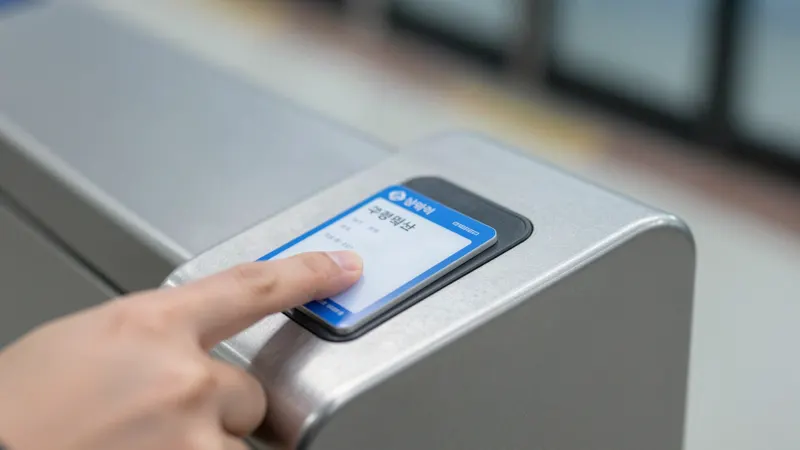
Two things make the night much easier. Have a transit card loaded before you go, because queues at the machines are long — see the T-money guide for where to buy one. And do not count on a taxi near the beach; road closures and gridlock make walking twenty minutes inland before hailing one the faster move.
If you are staying in Haeundae or Seomyeon, consider simply waiting somewhere for the first half-hour after the display rather than joining the initial surge.
- Load your transit card before the evening — machine queues afterwards are long
- Walk inland before looking for a taxi; the streets near the beach are closed or jammed
- Public toilets near the beach have very long queues by early evening
- November evenings on the water are cold once the sun goes down — bring more than you think
If your trip does not line up with the date
Gwangalli is worth an evening whether or not there are fireworks. The bridge runs a light display after dark on ordinary nights, and the beachfront is one of the more relaxed places to eat in the city.
Anyone in Busan in early October instead should look at BIFF, which is the other event that fills the city's hotels.
- The beach on a normal night: Gwangalli Beach and the Gwangandaegyo view
- The other big autumn event: Busan International Film Festival
Frequently asked questions
When is the Busan Fireworks Festival 2026?
Saturday, November 7, 2026. This is the 21st festival, and the date is confirmed by the organizing committee — earlier guides suggesting a late-October date are out of date for this year.
Do I need a ticket?
No. The display is visible for free from Gwangalli Beach and the streets around it. Paid reserved seating is sold separately for anyone who would rather not hold a spot for hours.
When do tickets go on sale, and where?
They are already on sale. The window runs from 14:00 on September 4, 2026, to 17:00 on November 6, the day before the festival, through NOL Ticket and Interpark.
Where are the official viewing areas?
Gwangalli Beach, Igidae and Dongbaekseom. Gwangalli is the center of the display and takes most of the crowd; Igidae's higher ground trades a closer view for far fewer people.
How crowded does it get?
It draws one of the largest single-day crowds in the city. People claim spots on the sand through the afternoon, and the promenade is full by early evening. The congestion after the finale is worse than getting there.
How do I get away afterwards?
Gwangan and Geumnyeonsan stations on Metro Line 2 are closest and both are heavily congested for an hour or more. Load a transit card beforehand, and walk twenty minutes inland before looking for a taxi — roads near the beach are closed or gridlocked.
What if it rains?
An event of this size can be moved or canceled for weather. If you are traveling to Busan specifically for it, confirm with the organizing committee on 051-713-5000 rather than relying on a travel site.