At a glance
- What it is
- A free 360-degree viewpoint and a Joseon-era signal-fire mound, on a mountain in the middle of the city
- Entry
- Free, open 24 hours
- Getting there
- No direct bus to the summit — a taxi from Geumnyeonsan Station (Line 2), about 10–15 minutes, is the standard route
- Slower alternative
- Line 1 to City Hall Station, Exit 6, then village bus Yeonje-gu 1 to the Mulmangol terminus, then a 20-minute walk
- Cafe on site
- Bluebang Hwangnyeongsan, daily 11:00–02:00
A mountain in the middle of the city
Hwangnyeongsan sits roughly at Busan's geographic center, spread across four districts, which is exactly why the view from the top takes in so much of the city at once. Hiking up takes about two to three hours in ordinary walking gear, on trails that start from several different points depending on which neighborhood you're coming from — the terrain is gentle enough that a paved road also circles the mountain for cars.
Most visitors never hike it at all. The observation area and the historic beacon mound at the summit are what people come for, and both are reachable by road.
The beacon mound
The bongsudae (봉수대) at the summit is a reconstructed Joseon-dynasty signal-fire station — the kind of site used to relay urgent news, such as a Japanese naval incursion, from one mountain beacon to the next across the country before any faster method existed. It's a real historical structure rather than a modern replica built purely for photos, even though most visitors today come for the view around it rather than the history itself.
Getting there — taxi is the standard way
There's no bus route running directly to the summit, which is the main reason Hwangnyeongsan stayed a local secret longer than views this good usually do. The standard approach is a taxi from Geumnyeonsan Station on Metro Line 2, a ride of about 10 to 15 minutes up the mountain road.
A slower public-transit route exists if you'd rather not pay for a taxi: take Metro Line 1 to City Hall Station, leave by Exit 6, transfer to the Yeonje-gu 1 village bus, and get off at the Mulmangol terminus for a 20-minute walk the rest of the way. It works, but it takes considerably longer than a direct taxi and the walking section has a real incline.
What you actually see
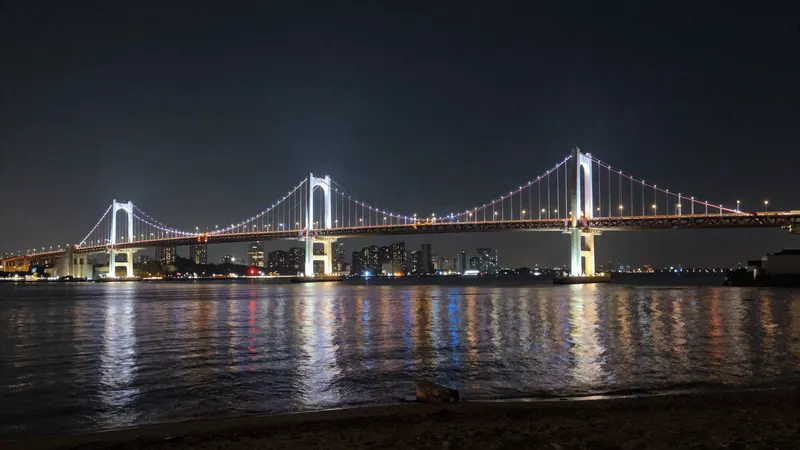
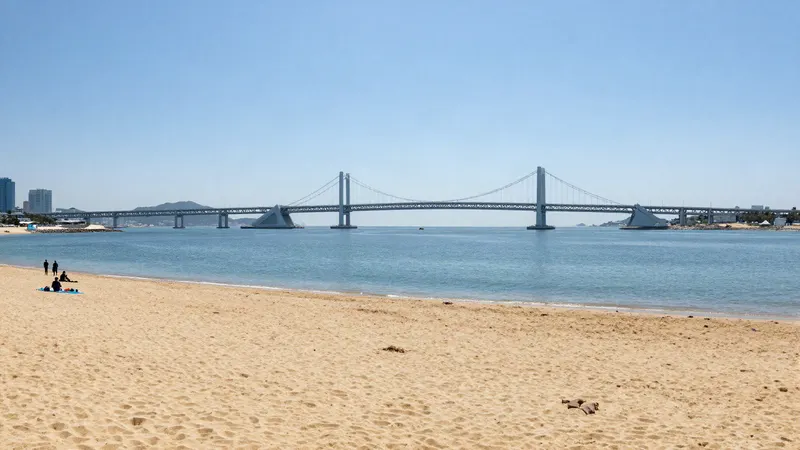
The draw is the angle rather than the height alone: because Hwangnyeongsan rises from the city's center rather than its edge, the observation deck takes in Gwangandaegyo and the sea to one side, Haeundae's coastline in the distance, and the dense downtown around Seomyeon on the other — closer to a full 360 degrees than most single viewpoints in Busan manage.
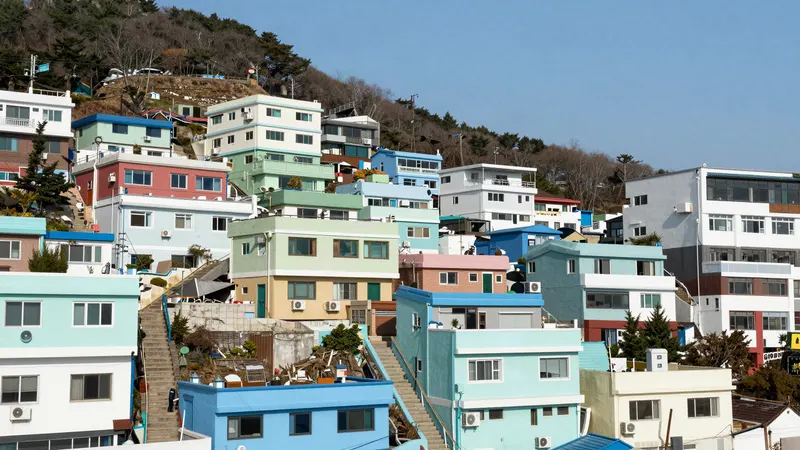
At night, the most-mentioned detail isn't the bridge or the skyline but the apartment blocks themselves — thousands of individually lit and unlit windows scattered across the hillsides below, which from this height and distance reads as an oddly beautiful, irregular pattern rather than as housing.
When to go
Sunset into blue hour into full night is the usual arc, and it's worth the wait through all three rather than leaving right after the sun goes down — the city's lights take a while to fully switch on, and the color shift in between is part of the appeal. The onsite cafe, Bluebang Hwangnyeongsan, stays open until 02:00 daily, so there's no need to rush off once it gets dark.
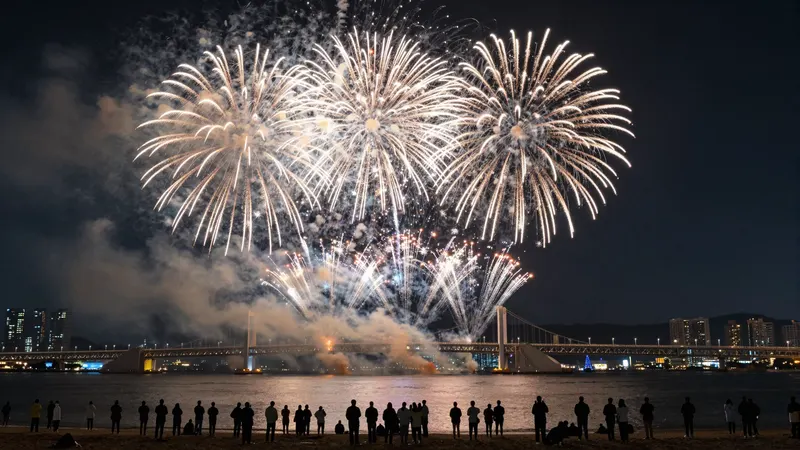
If your visit happens to land in November, this is one of the recommended spots to watch the Busan Fireworks Festival from a distance — a genuinely different experience from watching it packed onto Gwangalli Beach itself, at the cost of the road closures mentioned above.
Practical notes
- No admission fee and no fixed closing time — the outdoor deck and beacon mound area are open around the clock
- No drinking, smoking or damaging the surrounding forest, and carry out whatever you bring in
- It's an exposed mountaintop with real wind — bring a layer even on a warm evening in the city below
- There's no dedicated large parking area right at the deck; the nearby Hwangnyeongsan Rest Area parking lot is the usual option for anyone driving up
- Combine it with a taxi back down to Gwangalli or the bridge itself for a closer look at what you just saw from above
Frequently asked questions
How much does it cost to visit Hwangnyeongsan Observatory?
Nothing. The observation deck and the beacon mound are free and open 24 hours a day. The only cost is getting there and anything you buy at the onsite cafe.
How do I get to Hwangnyeongsan Observatory?
There's no bus running directly to the summit, so a taxi from Geumnyeonsan Station on Metro Line 2 — about 10 to 15 minutes — is the standard route. A slower alternative is Metro Line 1 to City Hall Station, Exit 6, then the Yeonje-gu 1 village bus to the Mulmangol terminus, followed by a 20-minute uphill walk.
What is the beacon mound at Hwangnyeongsan?
A reconstructed Joseon-dynasty signal-fire station, once used to relay urgent news such as a naval incursion from one mountain beacon to the next across the country. It's a genuine historical site, though most visitors today come mainly for the view around it.
What can you see from Hwangnyeongsan?
A close to full 360-degree view from the city's geographic center — Gwangandaegyo and the sea on one side, Haeundae's coastline in the distance, and the dense downtown around Seomyeon on the other. At night, the scattered lit and unlit windows across the hillside apartment blocks are one of the most-mentioned details.
Is Hwangnyeongsan worth visiting for the Busan Fireworks Festival?
Yes, as a distant alternative to watching from Gwangalli Beach itself — it's one of the recommended vantage points. Be aware that roads up the mountain can close to cars from around midday during the festival, which means the last stretch has to be walked regardless of how you planned to arrive.