At a glance
- What it is
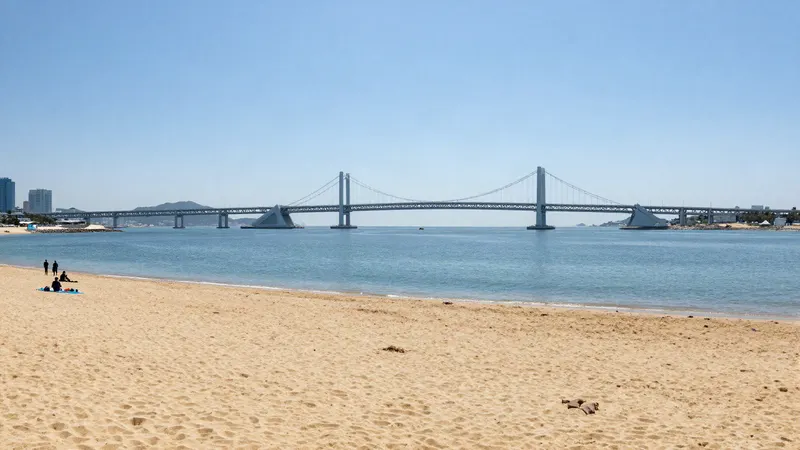
- A 1.4 km half-moon beach facing the Gwangan Bridge — Visit Busan calls it the closest beach to the city center
- Drone show
- Every Saturday, about 12 minutes, free. October to February: 19:00 and 21:00
- Getting there
- Metro Line 2, Gwangan Station Exit 5, then about 13 minutes on foot; or bus 41, 42 or 62 to the Gwangalli Beach stop
- Taxi
- From Haeundae about 5 km, roughly 7,000–9,000 KRW and 10–15 minutes
- Fireworks 2026
- Saturday, November 7 — Gwangalli is the center of the display and of the crowd
- Cost
- The beach is free and open at all hours
What Gwangalli is
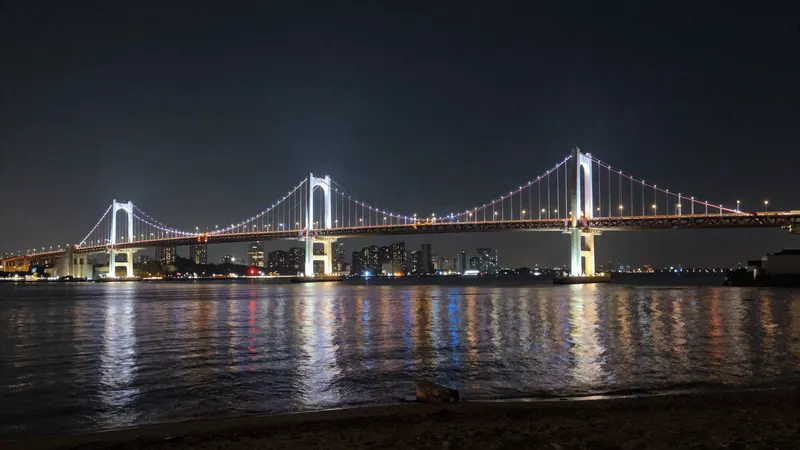
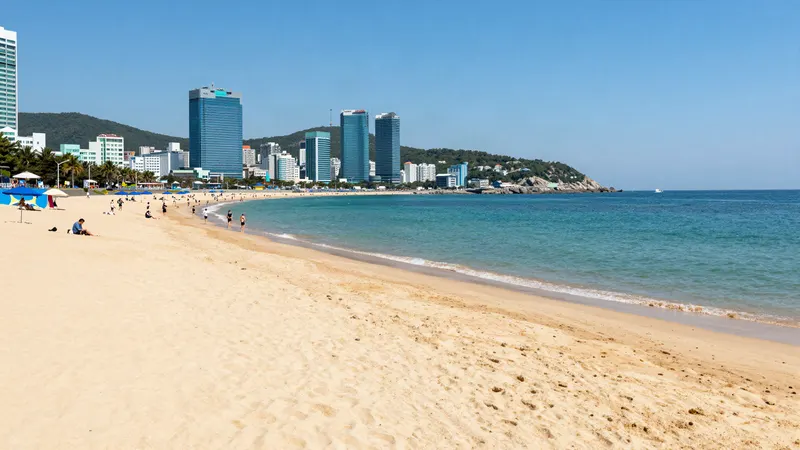
Gwangalli is a half-moon beach about 1.4 km long and 25 to 110 meters wide, in Suyeong-gu between the old downtown and Haeundae. Busan's city government describes the sand as washed down from Geumnyeonsan, the hill behind it. Visit Busan calls it the closest beach to the city center, and what sets it apart is the view: the Gwangan Bridge crosses the whole bay in front of it, lit up in changing colors after dark.
Haeundae, the other big beach, is a resort strip of large hotels with a wider stretch of sand. Gwangalli is more of a neighborhood: the road behind the beach is lined with cafés and restaurants facing the water, there's a permanent outdoor stage on the sand used for concerts and festivals, and at the northern end the Millak area is known for raw fish. It is at its best in the evening, and the two beaches are close enough to see both in one day — see the Haeundae guide for the other half.
The Saturday drone show
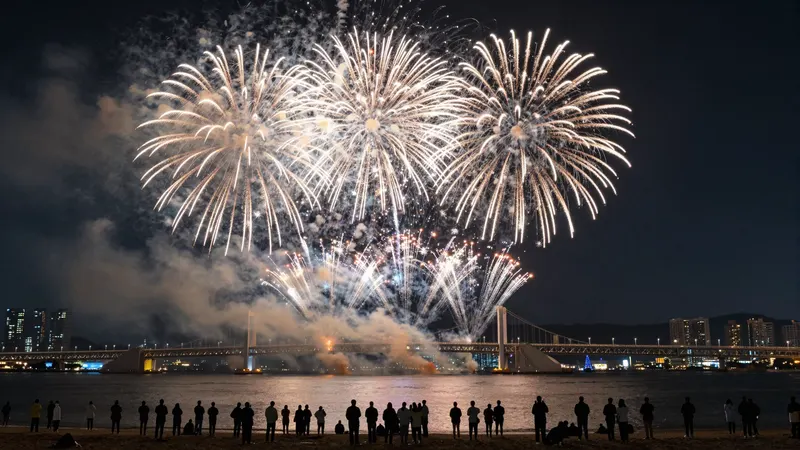
Every Saturday night, the Gwangalli M Drone Light Show puts 1,100 drones in the air over the beach for a show of about 12 minutes, now with 20 lasers aimed against the Gwangan Bridge as well. Special shows on big occasions use up to 3,000 drones. It's run by the Suyeong district office, it's free, and the organizers say it can be watched from anywhere on the beach — you don't need to be in a particular spot.
From October to February there are two shows, at 19:00 and 21:00. The theme changes every week and the official site lists each one in advance; October 2026 has shows on the 10th, 17th, 24th and 31st. Times move in the warmer months, so check the site if you're visiting outside the winter schedule. The 21:00 show is the easier one to see if you're having dinner on the seafront first.
Getting there
Metro Line 2 runs right behind the beach. Visit Busan's directions are Gwangan Station, Exit 5, and about 13 minutes on foot to the sand; Geumnyeonsan, one stop toward Seomyeon, is the other station nearby. By bus, Visit Busan lists 42 and 62 to the Gwangalli Beach stop, and the city's route list adds 41 on the same stop. For a late night, the 1003 seat bus has a late-night service that stops at Gwangan Station.
A taxi from Haeundae covers about 5 km, which on the meter comes to roughly 7,000–9,000 KRW and 10–15 minutes. From Busan Station it's about 10 km — roughly 11,000–14,000 KRW and 25–35 minutes, depending on traffic. These are estimates from the distance, not fixed fares.
Daytime and evening
By day, Gwangalli is a beach walk and a café stop. Visit Busan lists marine sports here, from banana boats and motorboats to paddleboarding and windsurfing, and the promenade along the sand is used by walkers, cyclists and dog owners. Swimming is only supervised during the official beach season, which the Suyeong district office announces each year.
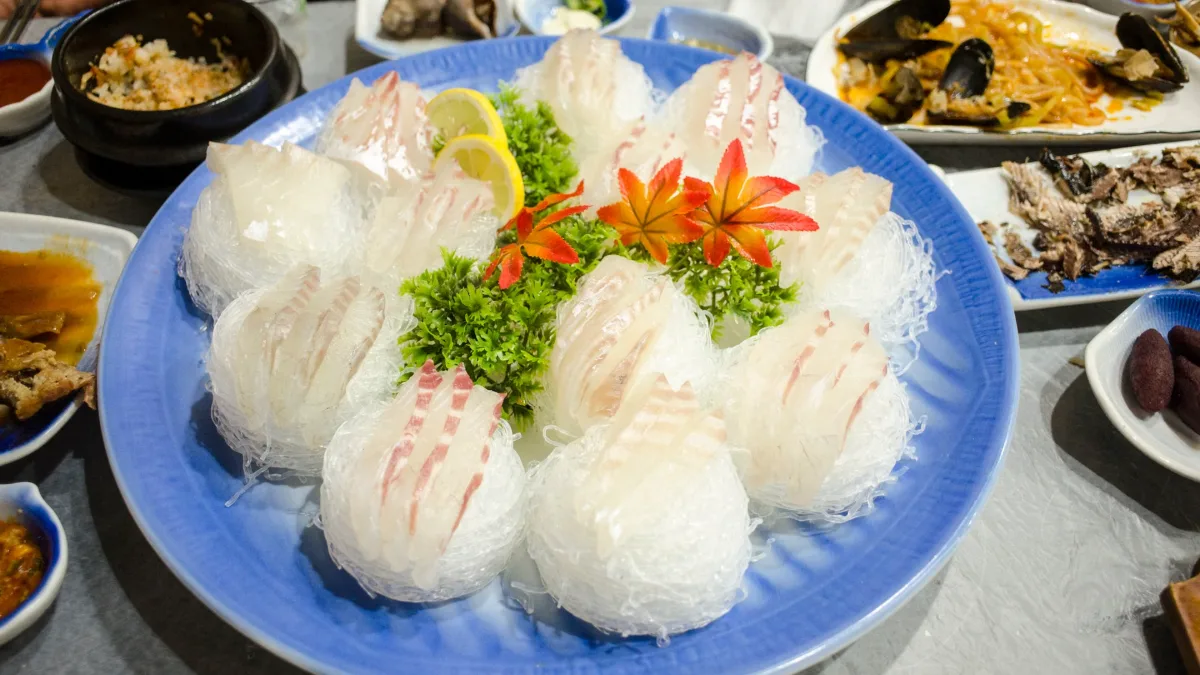
The evening is when Gwangalli comes into its own. The bridge lighting starts after dark, the seafront cafés and bars fill up, and buskers play along the promenade. For raw fish, Visit Busan points to Millak Fresh Fish Street and the Fresh Fish Town at the end of the beach, and to the Millak Waterside Park nearby for a quieter view of the water at night. For coffee with a view, the specialty coffee guide has places along the seafront.
Fireworks night: Saturday, November 7, 2026
The Busan Fireworks Festival is centered on Gwangalli, with Igidae and Dongbaekseom as the other official viewing areas, and it draws the largest single-day crowd in the city. Paid seats are on sale until 17:00 on November 6 through NOL Ticket and Interpark; everywhere else on the beach is free, but people claim spots on the sand from the afternoon.
Getting in is easy; getting out is not. Gwangan and Geumnyeonsan stations are both packed for an hour or more after the finale, and roads near the beach are closed or jammed. Load your transit card beforehand, walk inland before looking for a taxi, and bring a warm layer — November evenings on the water are cold. The organizers announce road closures and transit changes closer to the date, and the fireworks festival guide has the full plan.
Practical tips
- The 19:00 show suits an early evening; the 21:00 one fits after dinner on the seafront
- The drone show is visible from the whole beach, so there's no need to stake out the center
- For raw fish, ask the price by weight before ordering, as at any fish market
- Pair Gwangalli with Igidae for a daytime coastal walk, or with Haeundae for a two-beach day
- Take your trash with you when you leave the beach — Visit Busan asks visitors to
Frequently asked questions
What time is the Gwangalli drone show?
Every Saturday. From October to February there are two shows, at 19:00 and 21:00, each about 12 minutes long. Times change in the warmer months, and shows can be canceled for weather, so check the official site on the day.
Is the Gwangalli drone show free?
Yes. It's run by the Suyeong district office and can be watched for free from anywhere on the beach.
How do I get to Gwangalli Beach?
Take Metro Line 2 to Gwangan Station, leave by Exit 5 and walk about 13 minutes. Buses 41, 42 and 62 stop at the Gwangalli Beach stop. A taxi from Haeundae is about 5 km, roughly 7,000–9,000 KRW.
How is Gwangalli different from Haeundae?
Haeundae is a resort beach with large hotels and a wider stretch of sand. Gwangalli faces the Gwangan Bridge, has cafés and restaurants right on the seafront and a weekly drone show, and is mostly an evening destination. They're close enough to visit both in one day.
Where can I eat raw fish at Gwangalli?
Visit Busan points to Millak Fresh Fish Street and the Fresh Fish Town at the northern end of the beach. Ask the price by weight before ordering.
What is Gwangalli like on fireworks night?
The most crowded night of the year. The 2026 Busan Fireworks Festival is on Saturday, November 7, centered on Gwangalli. Paid seats are sold until November 6; free spots on the sand are taken from the afternoon, and stations and roads stay congested for an hour or more after the finale.