At a glance
- Getting there
- Metro Line 2 to Haeundae Station, Exit 3 or 5 — a 5 to 15 minute walk depending on which end you want
- 2026 swimming season
- Ran June 26 to September 15, supervised 09:00–18:00 — check the 2027 dates before a summer trip
- Size
- About 1.5 km of sand — the two ends are a 20 minute walk apart
- Admission
- Free. Restrooms, showers, changing rooms and a tourist information center on site
- Taxi from Seomyeon
- About 20–25 minutes, roughly 10,000–13,000 KRW on the meter
- Beach office
- 051-749-5700 — the number to call about closures or conditions
What Haeundae actually is
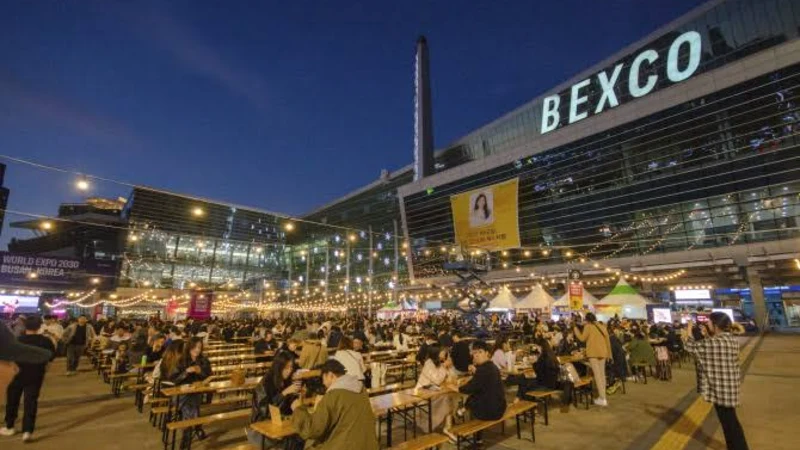
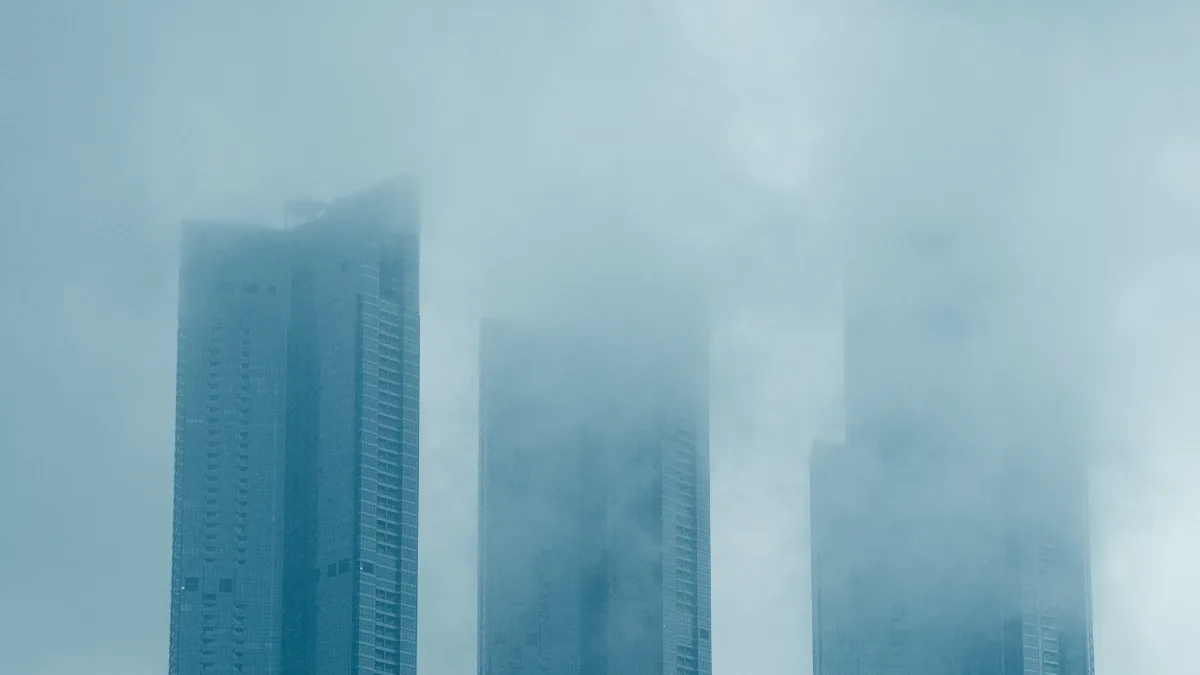
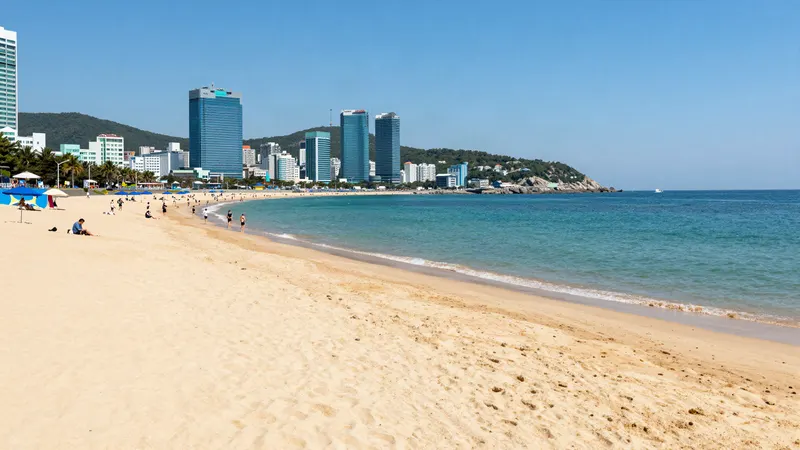
Haeundae is about 1.5 kilometers of sand with a solid wall of hotels, cafés and restaurants behind it. It is the most visited beach in Korea, and the setting is a resort city rather than a fishing village — high-rises, neon, and a promenade that stays busy long after dark.
That is worth knowing before you go, because the expectation people arrive with is often a quiet cove. Haeundae is not that, and it does not try to be. What it is instead is the most convenient beach in the country: a metro station a few minutes' walk away, everything open late, and enough happening at either end to fill an evening whether or not you go near the water.
The swimming season, and what supervised means
The 2026 season ran from June 26 to September 15, with the swimming zones supervised from 09:00 to 18:00. Inside those dates and hours there are lifeguards, buoyed-off swimming areas and the full run of beach facilities.
Outside them, nothing stops you walking on the sand — the beach is open and free year-round — but nobody is watching the water. The distinction matters more than the dates do: a swim at 19:00 in August is an unsupervised swim, on the same beach, with the same currents and none of the lifeguards.
Off-season, Haeundae becomes a walking and photography destination. Autumn and winter mornings there are genuinely pleasant and almost empty, which is the opposite of everything the beach is famous for.
The rules people get told off for
Haeundae is an actively managed public beach, not an open stretch of coast, and several of the posted rules surprise visitors who assume a beach is a beach.
- No smoking anywhere on the beach, and no fireworks — both are prohibited outright, not merely discouraged
- No camping, cooking or barbecues on the sand, and no selling anything
- Stay inside the buoyed swimming zones during the season, and do what the lifeguards tell you
- No bicycles, motorcycles or electric scooters on the promenade — a common way to get stopped
- No fishing, and no recreational watercraft inside the swimming zones
- Dogs are allowed but must be leashed, and you clean up after them
Getting there, and which exit
Metro Line 2 to Haeundae Station, then Exit 3 or Exit 5. Busan's own beach page calls it a five-minute walk, and other city pages say fifteen — both are right, because the beach is a kilometer and a half long and the walk depends entirely on which part of it you are aiming for. Exit 5 puts you nearer the western end and Dongbaek Island; Exit 3 leaves you closer to the middle of the sand.
From Seomyeon a taxi takes 20 to 25 minutes and usually runs 10,000 to 13,000 KRW on the meter — reasonable split between three or four people, and the sensible choice late at night. There is no direct rail link from Gimhae Airport, so arrivals come in by limousine bus or taxi rather than metro.
One thing to know if you are counting on transfers: airport limousine buses do not qualify for the transfer discount, so that leg is priced on its own however you pay.
The two ends are different trips
Treating Haeundae as one place is the usual mistake. The two ends of the sand lead somewhere quite different, and which one you walk toward decides your afternoon.
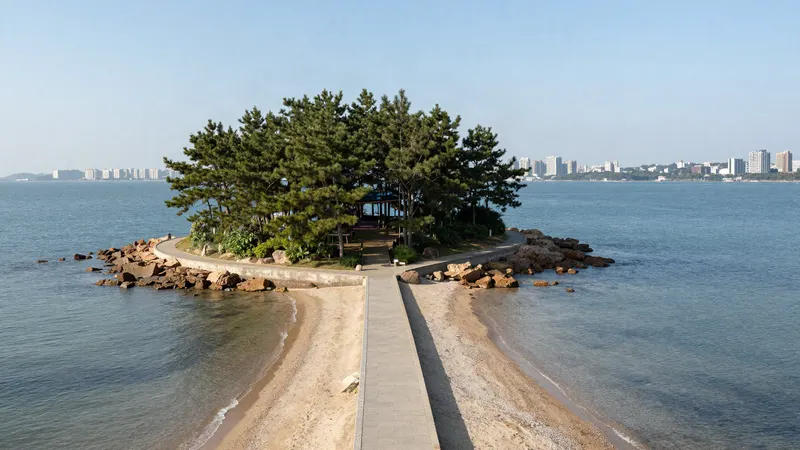
West is Dongbaek Island — a small pine-covered headland with a flat, paved loop, sea views and, at under an hour, the least demanding coastal walk in the city.
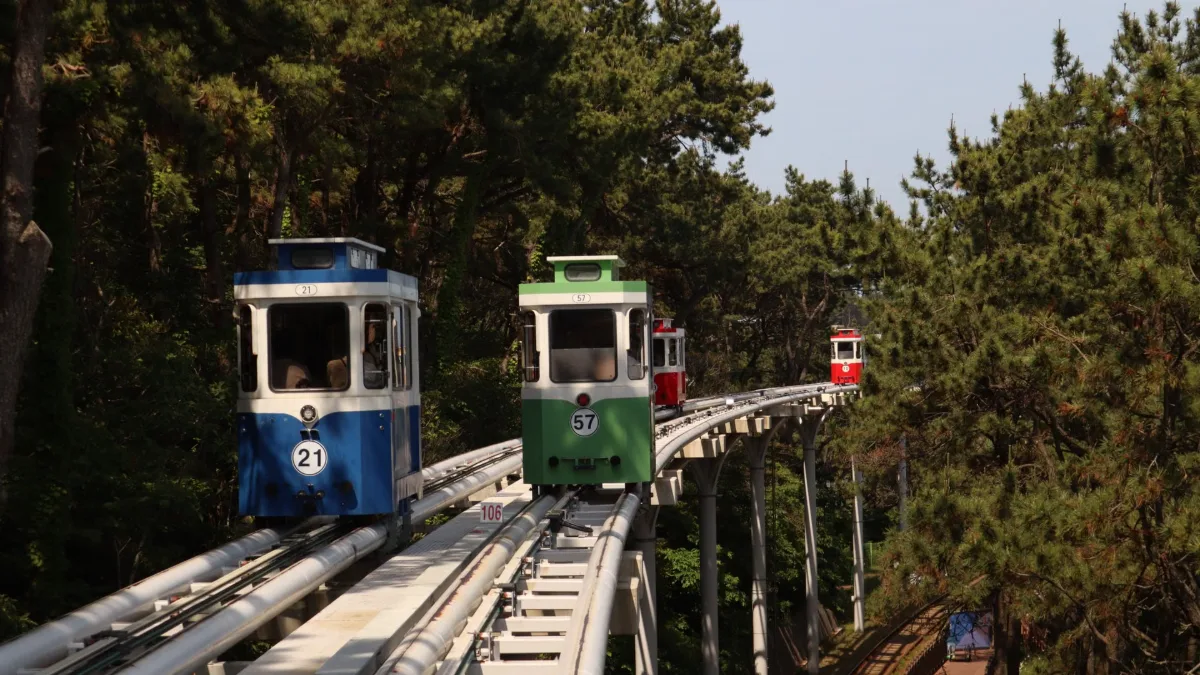
East is Mipo, where the old Donghae Nambu railway line has been rebuilt as Blueline Park. Two things run along it and they are not the same ride: the Beach Train covers the full 4.8 km from Mipo through Cheongsapo to Songjeong, while the Sky Capsule runs only the 2 km between Mipo and Cheongsapo, on an elevated track 7 to 10 meters up. People book the capsule expecting to reach Songjeong and are surprised when it turns around at Cheongsapo.
| From the beach | What's there | Roughly |
|---|---|---|
| West end | Dongbaekseom — flat coastal loop, pine woods, sea views | Under an hour on foot |
| East end (Mipo) | Beach Train: Mipo → Cheongsapo → Songjeong, 4.8 km | 10 min Mipo to Cheongsapo |
| East end (Mipo) | Sky Capsule: Mipo → Cheongsapo only, 2 km, elevated | About 30 min |
| Behind the beach | The Bay 101 and the café and restaurant streets | Walking distance |
Worth pairing it with
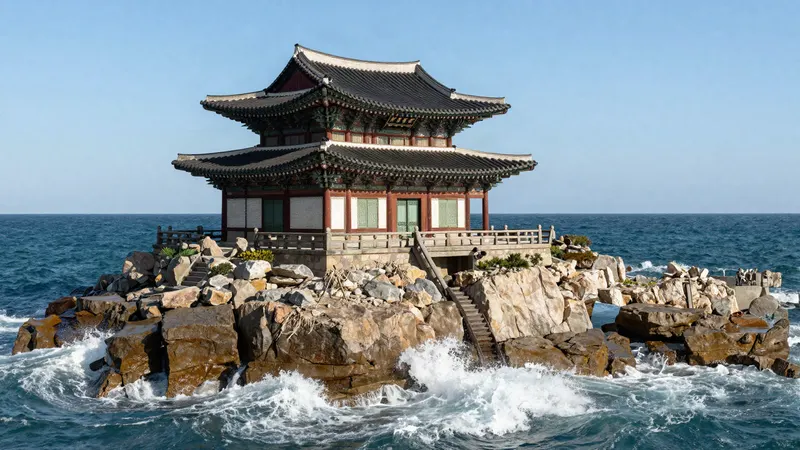
Haedong Yonggungsa is the obvious half-day from here and does not need a taxi: Haeundae Station Exit 7, then bus 181, 100 or Haeundae 9 to the temple entrance, followed by about a ten-minute walk. Going in the morning gets you there before the coaches.
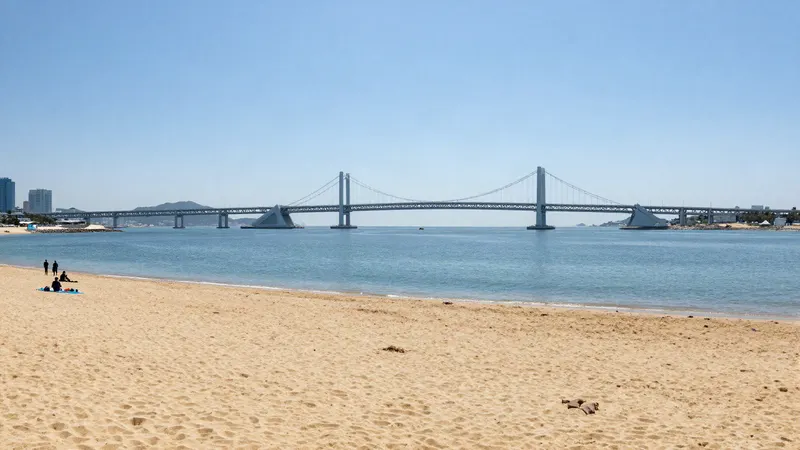
If what you actually want is an evening rather than a beach, Gwangalli is the better call — smaller, less built-up at the waterline, and pointed straight at the Gwangan Bridge light display. Many people do Haeundae by day and Gwangalli after dark.
- Early morning and after sunset are the only uncrowded hours in July and August
- Hotel prices here climb hardest in peak summer and during major festivals — other areas are worth pricing
- The promenade is level and paved end to end, so it works with a stroller or limited mobility
- Cash is rarely needed; the whole area takes cards
Frequently asked questions
When can you swim at Haeundae Beach?
The 2026 season ran June 26 to September 15, with the swimming zones supervised from 09:00 to 18:00. Outside those dates and hours the beach stays open and free, but there are no lifeguards and no marked swimming areas. Season dates shift by a few days each year, so confirm before traveling specifically to swim.
Which metro exit is Haeundae Beach?
Metro Line 2 to Haeundae Station, then Exit 3 or Exit 5. The walk is anywhere from five to fifteen minutes because the beach is about 1.5 km long — Exit 5 is closer to the western end and Dongbaek Island, Exit 3 closer to the middle.
Is Haeundae Beach free?
Yes. Admission is free and the beach is open year-round. Restrooms, showers, changing rooms and a tourist information center are on site, and parking nearby is paid.
Can I smoke or have a barbecue on Haeundae Beach?
No to both. Smoking and fireworks are prohibited anywhere on the beach, and so are camping, cooking and barbecues. Bicycles, motorcycles and electric scooters are banned from the promenade, and fishing is not allowed. Dogs are fine on a leash.
What is the difference between the Beach Train and the Sky Capsule?
The Beach Train runs the whole 4.8 km line from Mipo through Cheongsapo to Songjeong. The Sky Capsule covers only the 2 km between Mipo and Cheongsapo, on an elevated track 7 to 10 meters above the ground. If you want to reach Songjeong, the capsule alone will not get you there.
How do I get from Haeundae to Haedong Yonggungsa?
Leave Haeundae Station by Exit 7 and take bus 181, 100 or Haeundae 9 to the temple entrance, then walk about ten minutes. Mornings are noticeably quieter than the middle of the day.
Haeundae or Gwangalli?
Haeundae is bigger, better served and the one to pick for a swim or for convenience. Gwangalli is smaller and less built-up at the waterline, and faces the Gwangan Bridge light display, which makes it the better evening. Doing Haeundae by day and Gwangalli after dark is a common and sensible split.