At a glance
- License needed
- A genuine International Driving Permit (IDP) from your home country, plus your home license and passport
- IDP validity in Korea
- One year from your date of entry, regardless of the permit's own expiry date
- Typical age rule
- 21+ with 1 year's driving experience for small/mid cars; 26+ for SUVs, imports and vans
- Which side
- Korea drives on the right, same as the US and continental Europe
- Tolls
- Rental cars usually carry a Hi-pass device — tolls are billed to your card at return
- Honest take
- Worth it for the coast and countryside beyond the city; not necessary for standard Busan sightseeing
The question worth asking first
Busan has a full metro network, a dense bus system, and taxis cheap enough that a short ride rarely costs more than a coffee. For the standard first-time itinerary — the old city, the beaches, the markets — a car adds parking stress and one-way streets without saving real time over the metro or a taxi. Most visitors who rent a car in Busan and regret it are trying to use it for exactly that itinerary.
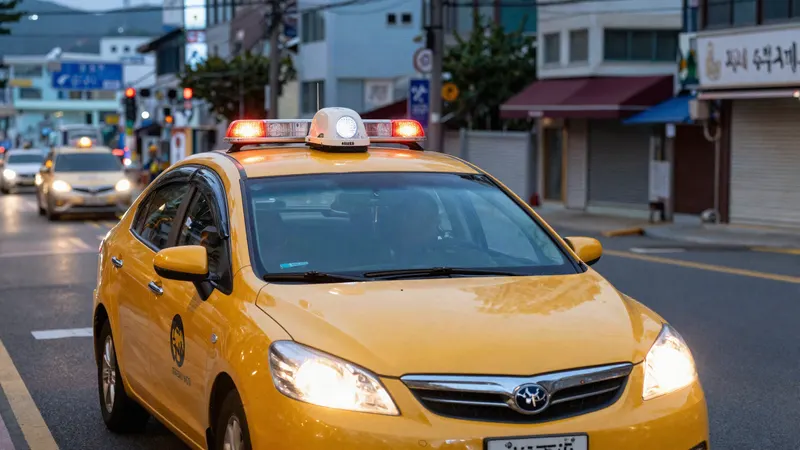
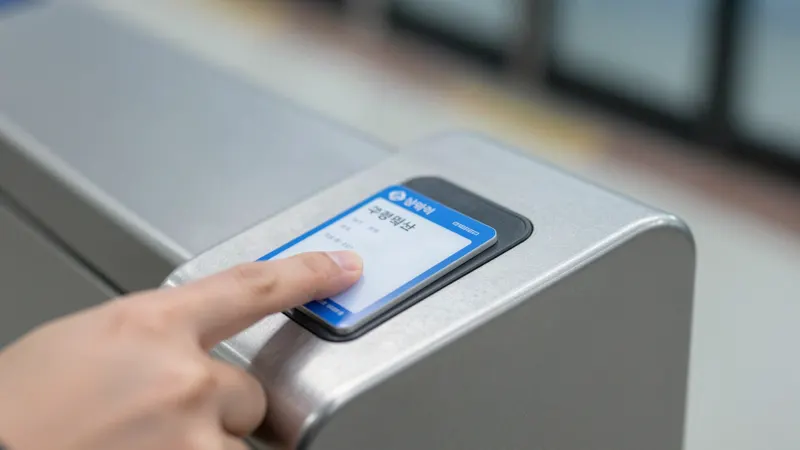
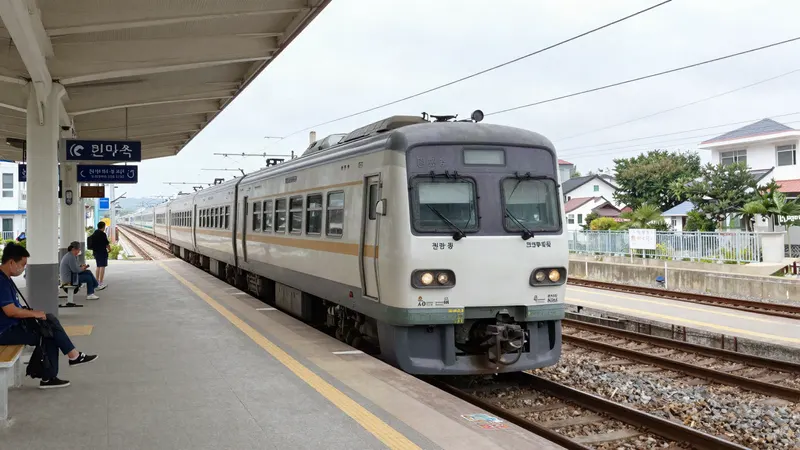
Where a car earns its cost is the places transit doesn't reach well: a loop through Gijang's coast beyond the city's regular bus routes, a day out to the countryside, or a group of three or four splitting the cost of a full day somewhere with no useful bus. If that's your trip, the rest of this guide is the actual paperwork. If it isn't, the taxi, transit card and regional rail guides will get you further for less trouble.
The license paperwork, precisely
Korea recognizes international driving permits (IDPs) issued under the Geneva Convention, and since January 1, 2002, also those issued under the Vienna Convention. In practice this covers most countries that issue IDPs at all. What it does not cover is a permit from an unofficial issuer — organizations like the IAA issue permit-looking documents that Korean authorities and rental counters do not accept, so the document has to come from your own country's genuine, government-recognized IDP program.
The permit is valid for one year from the date you entered Korea, not one year from the date it was issued, and not for however long the document itself says it's valid — Korean law applies its own one-year clock starting at entry, separate from whatever your home country printed on the permit.
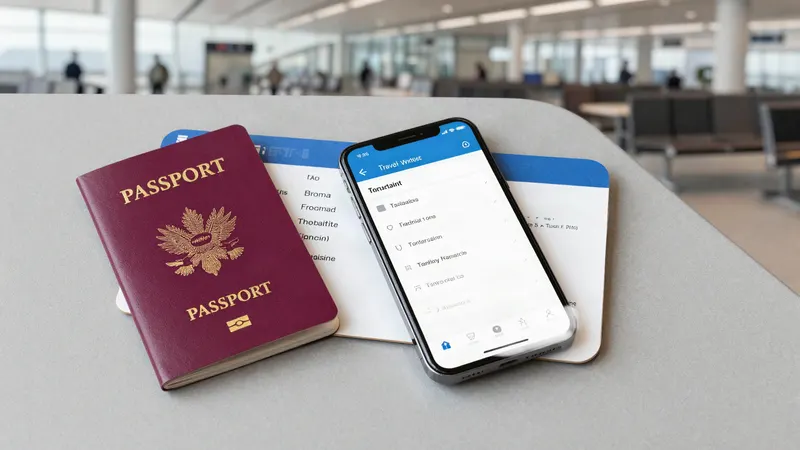
You need three documents together at the counter and, in principle, whenever you're stopped: your passport, your home driving license, and the IDP itself. None of the three substitutes for the other two.
Age, experience and which cars you can actually book
Most Korean rental companies set the baseline at 21 years old with at least one year of driving experience, and a standard category-2 license or higher — this covers compact, subcompact and mid-size cars. Above that baseline, the vehicle class matters: RVs, SUVs, larger SUVs, imported or luxury cars, and nine-seat vans generally require the renter to be 26 or older, sometimes with an experience requirement on top.
None of this changes for foreign visitors on paper — the stated age and experience requirements are the same ones Korean nationals face. What does change is that individual companies can simply decline to rent to a foreign license holder as a matter of internal policy, which is not something posted clearly everywhere. Confirm directly with the company before you book rather than assuming a reservation guarantees a car at the counter.
Driving itself: the side of the road and the tolls
Korea drives on the right, the same side as the US, Canada and continental Europe — the adjustment this requires is mainly for visitors used to left-hand traffic, in the UK, Japan, Australia and similar countries, where the instinct to check the wrong direction at an intersection takes a day or two to unlearn.
Most rental cars come fitted with a Hi-pass transponder, Korea's automatic toll system — blue-lane tolling that doesn't require stopping. You don't pay at the booth; the tolls accumulate on the device and are charged to your card when you return the car, along with the rental company's own handling terms for that service, which are worth reading before you sign. If a car doesn't have Hi-pass fitted, use the general cash lanes at toll plazas instead — mixing the two by accident in a Hi-pass-only lane creates a fine, not just an inconvenience.
Parking is the other place foreign cards cause friction. A number of unmanned lots in Busan are set up for Korean-issued cards specifically and will reject a foreign card outright — carrying cash, or knowing your Korean phone payment options, is a real backup rather than a nice-to-have.
Should you actually do this
- If your plan is Nampo-dong, Haeundae, Gwangalli and the standard markets — skip it. The metro and buses cover this route better than driving and parking will
- If you're headed to Gijang's coastline, a countryside day trip, or anywhere the bus runs once an hour, a car starts to make sense, especially split three or four ways
- Book the IDP in your home country before you fly — Korea does not issue IDPs to foreign visitors on arrival, so this has to be sorted before departure, not after
- Call the rental company to confirm they accept foreign-licensed drivers before you commit to a reservation, especially for anything above a compact or mid-size car
- Carry a backup payment method for parking, since not every lot accepts foreign cards
- If your home country drives on the left, budget an extra day of caution before a highway drive — city traffic at low speed is forgiving; a wrong-way instinct at highway speed is not
Frequently asked questions
Can I drive in Busan on my home country's driving license?
Not on the license alone. You need a genuine International Driving Permit (IDP) issued by your home country under the Geneva or Vienna Convention, carried together with your passport and your home license. IDP look-alikes from unofficial issuers, such as the IAA, are not accepted in Korea.
How long is an international driving permit valid in Korea?
One year from your date of entry into Korea — not from the date the permit was issued, and not necessarily the validity period printed on the document itself. Korean law applies its own one-year clock starting when you arrive.
What age do I need to be to rent a car in Busan?
Most companies require 21 years old with at least one year of driving experience for compact and mid-size cars. SUVs, imported or luxury cars, and larger vans typically require the renter to be 26 or older. Individual companies can also decline foreign license holders as internal policy, so confirm before booking.
Does Korea drive on the left or right?
The right, the same as the US and continental Europe. Visitors used to left-hand traffic — from the UK, Japan, Australia and similar countries — should expect a short adjustment period, especially at intersections.
How do tolls work with a rental car in Busan?
Most rental cars carry a Hi-pass transponder, so tolls are collected automatically without stopping and billed to your card when you return the car. If your car doesn't have Hi-pass, use the general cash lanes instead of the Hi-pass-only ones.
Is renting a car worth it for a first Busan trip?
Usually not, for the standard sightseeing route — the metro, buses and taxis cover Nampo-dong, the beaches and the markets more easily than driving and parking will. It starts to make sense for the Gijang coastline, countryside day trips, or routes where public transit runs infrequently.