At a glance
- Location
- Beomeosa-ro 250, on the east slope of Geumjeongsan in northern Busan
- Getting there
- Metro Line 1 to Beomeosa Station, Exit 5 or 7, then bus 90 — the temple is 3.5 km from the station
- Admission
- Free. National-treasure temples stopped charging on May 4, 2023
- Founded
- 678 CE, by the monk Uisang, as one of the ten Hwaeom temples
- How long
- 90 minutes to walk it properly; half a day with the museum or a hike
- Temple office
- 051-508-3122. Temple stay 051-508-5726
What Beomeosa is, and how it differs from the other temple
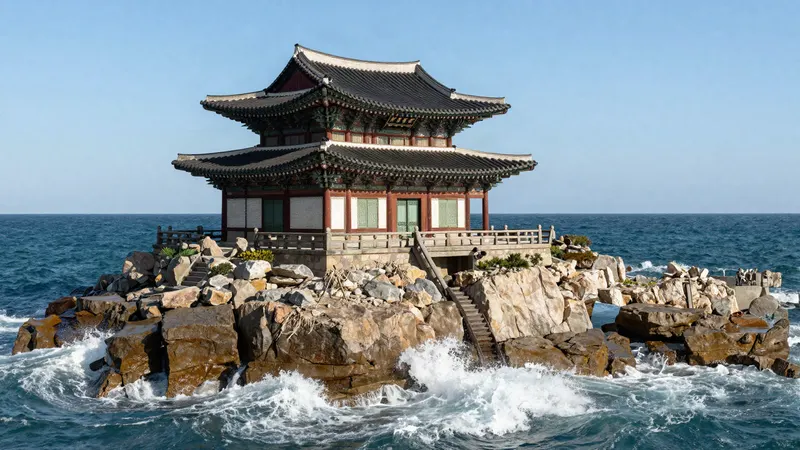
Busan has two temples that visitors hear about, and they have almost nothing in common. Haedong Yonggungsa sits on rocks above the sea, is spectacular, and is busy from the moment it opens. Beomeosa sits in forest on the eastern slope of Geumjeongsan, at the northern edge of the city, and is a working training monastery where monks live and practice. One is a photograph; the other is a place that was doing this long before you arrived and will carry on afterward.
The temple's own history puts its founding at 678 CE, in the eighteenth year of the Silla king Munmu, by the monk Uisang, as one of the ten temples through which he spread Hwaeom Buddhism. It is the head temple of the 14th district of the Jogye Order, and it is grouped with Haeinsa and Tongdosa as one of the three great temples of the Yeongnam region. In November 2012 it was designated a chongnim, the highest rank of Korean monastic complex, which means it maintains a full monastic training program rather than only a congregation.
The name comes from a story recorded in the Sinjeung Dongguk Yeoji Seungnam: a golden fish came down from the sky and played in a well on the mountain. The mountain became Geumjeongsan, the mountain of the golden well, and the temple built there became Beomeosa, the temple of the heavenly fish.
Getting there
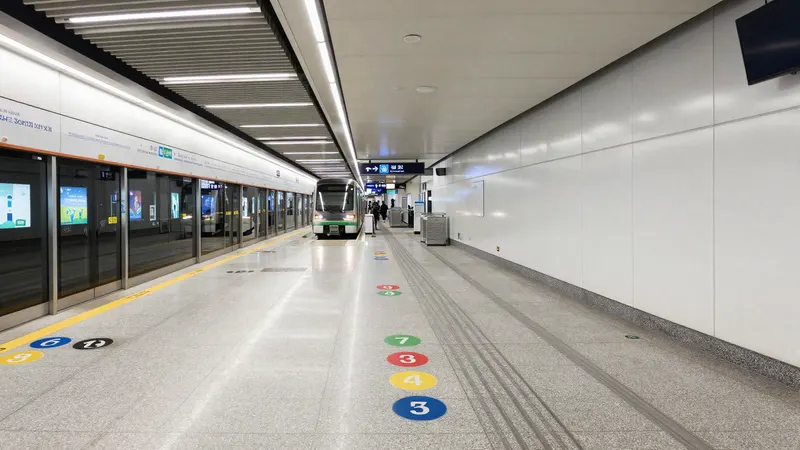
Take Metro Line 1 to Beomeosa Station. The temple is about 3.5 km further up the mountain from the station, which is the part most people underestimate — it is uphill the whole way and walking it is a commitment rather than a stroll.
The standard route is to leave by Exit 5 or Exit 7, walk up the alley between them for under five minutes to the bus stop in front of the BI Mart, and take bus 90 to the Beomeosa ticket-office stop at the temple entrance. Bus 90 also runs from Nopo Station, Exit 2, which is about 5 km out. If you arrive on buses 50, 58, 59, 61 or 148, get off at the Beomeosa Station stop and change to the 90 at the same place.
The temple also runs its own free shuttle from Exit 3 of Beomeosa Station. It goes up in the morning, with departures roughly every half hour from early morning, and comes back down from the temple's first parking lot around midday. Times shift with traffic and extra runs are added on Buddhist observance days, so check the temple's directions page before relying on it.
A taxi from Beomeosa Station takes 10 to 15 minutes and typically runs 6,000 to 8,000 KRW on the meter. For a group, or in August, it is the easy answer. Drivers know the temple by name.
| From | How | Note |
|---|---|---|
| Beomeosa Station (Line 1), Exit 5 or 7 | Walk to the BI Mart stop, then bus 90 | About 3.5 km to the temple |
| Beomeosa Station (Line 1), Exit 3 | Free temple shuttle | Mornings up, midday back — confirm times |
| Nopo Station (Line 1), Exit 2 | Bus 90 from the stop outside | About 5 km to the temple |
| Beomeosa Station | Taxi | 10–15 min, roughly 6,000–8,000 KRW |
Admission is free, whatever an older guide says
Korean temples holding nationally designated heritage used to charge a cultural heritage viewing fee at the gate. That ended on May 4, 2023, when an amended heritage law let the government reimburse temples for waiving it. Sixty-five Jogye Order temples stopped charging that day, and Beomeosa is on the list alongside Haeinsa, Bulguksa, Tongdosa and the rest.
So you do not pay to walk in. A handful of temples elsewhere in the country that hold only provincially designated heritage — Bomunsa and Boriam among them — still charge, which is why blanket advice about temple fees keeps circulating. It does not apply here.
One leftover from the old system: the bus stop at the entrance is still called the Beomeosa ticket office, and the temple's own directions page still uses that name. The booths themselves were renamed as Buddhist heritage information centers. Nobody will ask you for money.
What to look for once you are inside
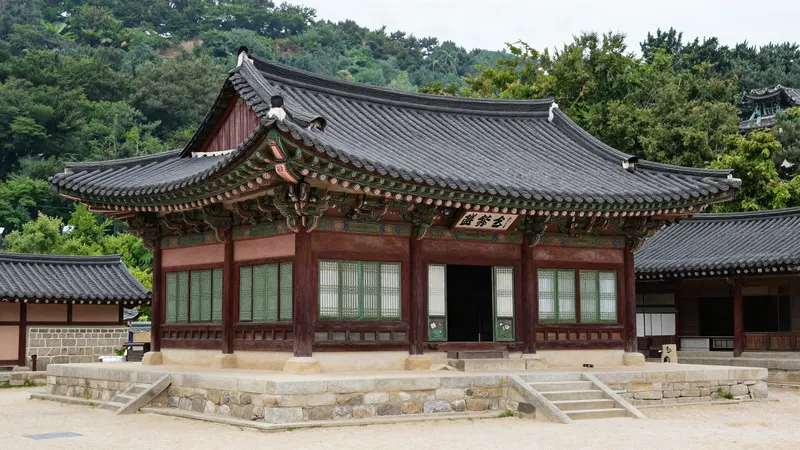
The complex climbs the slope in terraces, connected by stone stairs, and the interesting things are spread across it rather than concentrated in one courtyard. Three are nationally designated Treasures and worth knowing before you walk past them.
Joggyemun, the entrance gate, is Treasure No. 1461, designated on February 7, 2006. Most Korean temple gates stand on two pillars; this one has four stone pillars in a row carrying three bays and a gabled roof, which is why it looks heavier and stranger than the gates you will have seen elsewhere. Daeungjeon, the main hall, is Treasure No. 434, a mid-Joseon wooden hall rebuilt in 1717. The three-story stone pagoda is Treasure No. 250, from the Unified Silla period, standing about four meters on a double-tiered platform.
The temple also holds a copy of the Samguk Yusa, a National Treasure and one of the oldest surviving editions — the temple states it is the only temple in the country to hold one. That is not on open display, but it is why the Seongbo Museum here exists. The museum was completed in 2021 and the temple describes it as the largest temple museum in Korea; the Seon Culture Education Center next to it opened in 2019.
Allow ninety minutes to walk the grounds without rushing. Half a day if you are going into the museum, sitting for a while, or continuing onto the mountain.
How to behave here
This matters more at Beomeosa than at any other stop in Busan, because people are not performing for visitors — they are living and training here. The practical version is short.
Dress so that shoulders and knees are covered. Keep your voice down, especially near halls where chanting or seated practice may be going on; if you arrive during a ceremony, adjust your pace rather than walking through it. Take your shoes off before entering a hall, and if you do go in, enter by a side door rather than the center one, which is for the monks. Photography outdoors is generally fine; inside halls, assume not unless a sign says otherwise, and never photograph someone at practice.
Early morning is both the quietest time and the time when you are most likely to encounter the temple doing what it is for. That is a reason to go then, not a reason to avoid it — just arrive as a guest rather than an audience.
Temple stay, and the mountain behind
Beomeosa runs a temple stay program, which is the one way to experience the place as something other than a visit: you sleep in the complex, eat monastery food, and join the morning service. Programs vary in length and format and book out ahead, especially at weekends and in the autumn. The temple stay office is 051-508-5726 and the program is listed on the temple's site.
Behind the temple, marked trails climb Geumjeongsan toward the North Gate of Geumjeongsanseong, the mountain fortress whose walls run along the ridge, and on to the summit at Godangbong. This is a real hike with proper elevation, not an extension of the temple walk — bring water and check the trail map posted at the temple before starting.
The village at Geumjeongsanseong is known for its unfiltered rice beer, sanseong makgeolli, which Busan lists among its local specialty products. It is the traditional reward for having come down off the ridge, and it reaches the city easily enough that you do not have to earn it first.
Fitting it into a trip
- Beomeosa is at the far northern end of Line 1, so treat it as a dedicated half day rather than something squeezed between two other stops
- It pairs naturally with a third day, as the calm counterweight to a beach day and a market day
- Do not try to combine it with Haedong Yonggungsa. They are at opposite corners of the city and the day becomes transit
- Autumn is the best season here — the mountain setting does more work in October and November than at any other time
- Comfortable shoes are not optional. The grounds are stone stairs and uneven paths throughout
- There is no reason to rush back. The last trains on Line 1 run far later than the temple is interesting
Frequently asked questions
How do I get to Beomeosa Temple from central Busan?
Metro Line 1 to Beomeosa Station, then bus 90 from the stop in front of the BI Mart, which is under five minutes' walk from Exit 5 or Exit 7. The temple is about 3.5 km further up the mountain, so do not plan to walk it. Bus 90 also runs from Nopo Station Exit 2, and a taxi from Beomeosa Station is 10 to 15 minutes and roughly 6,000 to 8,000 KRW.
Is there an entrance fee at Beomeosa Temple?
No. Cultural heritage viewing fees at temples holding nationally designated heritage were waived on May 4, 2023, when an amended law let the government reimburse the temples instead. Sixty-five Jogye Order temples stopped charging, Beomeosa among them. Older guides still say to expect a fee; they are out of date.
Is there a free shuttle bus to Beomeosa?
Yes. The temple runs its own shuttle from Exit 3 of Beomeosa Station, going up through the morning at roughly half-hour intervals and returning from the temple's first parking lot around midday. Times vary with traffic and extra runs are added on Buddhist observance days, so check the temple's directions page rather than turning up on spec.
What should I look for at Beomeosa?
Three nationally designated Treasures: Joggyemun, the entrance gate on four stone pillars, Treasure No. 1461; Daeungjeon, the main hall, Treasure No. 434, rebuilt in 1717; and the Unified Silla three-story stone pagoda, Treasure No. 250. The Seongbo Museum, completed in 2021, holds the temple's collection, including its copy of the Samguk Yusa.
How long should I budget for a visit?
Ninety minutes to walk the grounds unhurried. Half a day if you add the museum, sit for a while, or continue up the trails behind the temple toward Geumjeongsanseong. Because it sits at the far northern end of Line 1, it works best as a dedicated half day rather than a stop between other plans.
What is the etiquette at a working Korean temple?
Cover shoulders and knees, keep your voice down, and adjust your pace if you arrive during a ceremony. Remove your shoes before entering a hall, and use a side door rather than the center one, which is for the monks. Outdoor photography is generally fine; inside halls, assume not, and never photograph anyone at practice.